 The washing machine hums during operation and makes sounds - this is normal.
But if it appeared loud noise, that is, an occasion to think about the performance of some details of the technique.
It will be necessary to analyze uncharacteristic noises and diagnose the washing machine.
Permissible noise limits
The rate may be different and depends on the technique and drive option:
- belt varies from 60 to 72 dB;
- direct from 52 to 70 dB.
The level of these decibels is not silent, but does not cause discomfort to users. How do you know how loud the washing machine is?
Precise measurement is possible with sound level meter. There are Chinese models that are quite inexpensive. But it is not always possible to purchase this equipment. How to be?
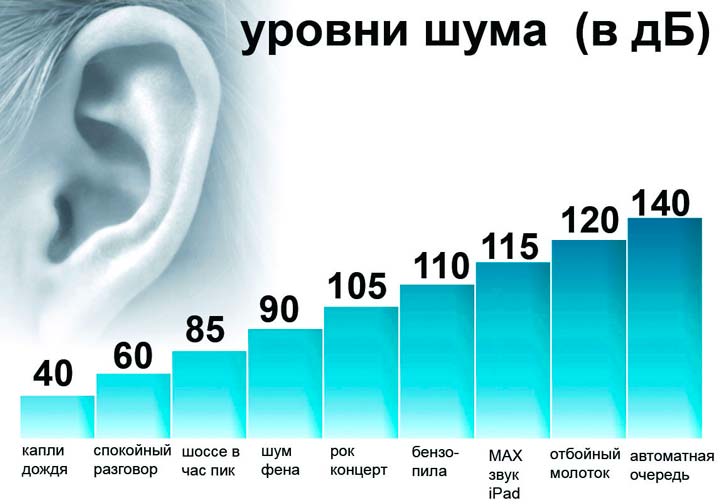 There are many associations with strength in dB. For example, the sound of 50 dB is typical for a typewriter, and at 95 dB a train in the subway is heard. The jackhammer works with a noise of 120 dB. You can look at these indicators. If there is a feeling that the washing machine is very buzzing and somehow strangely noisy, then it is worth finding the causes and fixing the problem.
Reasons for the loud operation of the washing machine
Noise due to incorrect installation
In this case, the washing machine began to buzz already at the first start of washing. What to do?
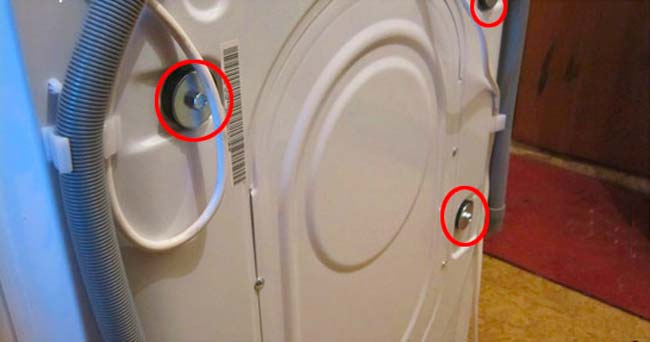
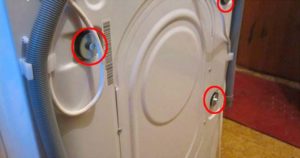 Verify the presence of transport bolts. They shouldn't be! Often, beginners simply do not know about them, but bolts can damage the washing machine. They are located at the back and fix the drum when moving. During the installation of washing machines, the bolts must be removed and plugs installed in their place.
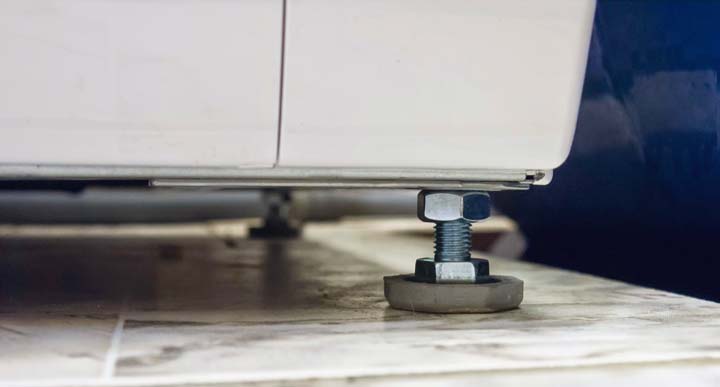
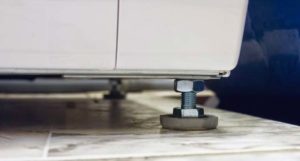 Make sure the washing machine has a level surface.
- Adjust the legs so that the washing machine is stable and does not wobble from side to side.
Noise due to malfunction
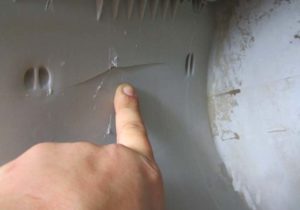 cracks:
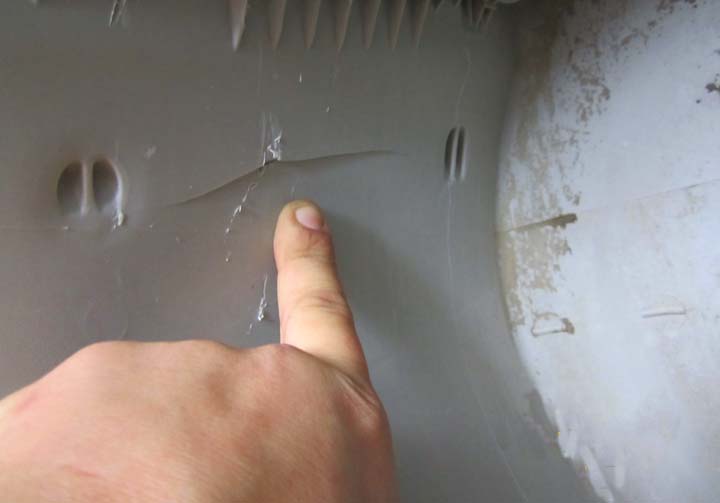
- on the tank (definitely need to be replaced);
- in the hull.
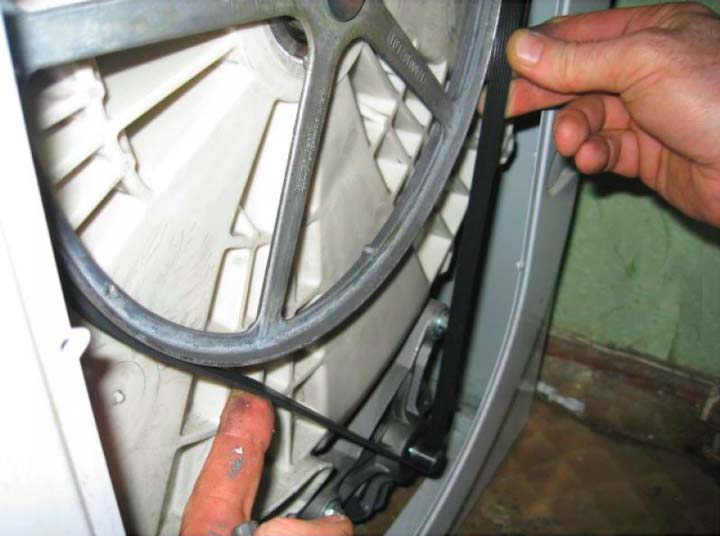
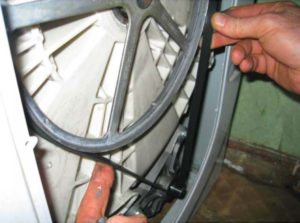 Weak fastening of the drum pulley. For such a breakdown, jerky clicks are characteristic. Drum it loosens up completely over time. The solution to the problem is not difficult. To do this, the back cover is removed and the part is fixed, it is better if the bolt is seated on the sealant. This eliminates the possibility of re-weakening.
- Loose bolts on the engine backlash. They need to be strengthened.
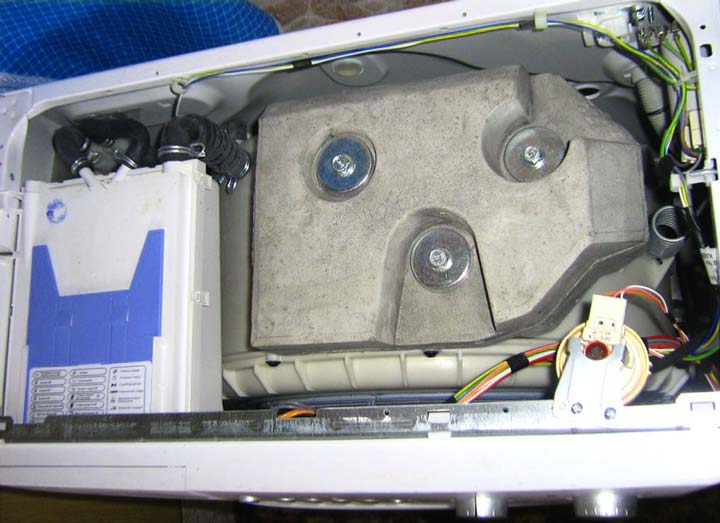
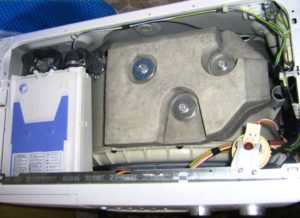 Weak counterweight and top spring fastenings. The counterweight is needed for the stability of the tank in the mode "squeeze". Their weight is chosen so as to balance the tank on both sides. They are located in a hard to reach place. To check the item for serviceability, you need a flashlight and hands. You will have to feel for the bolts and check if they are loose or not. If the counterweights themselves are broken, then they will have to be replaced.
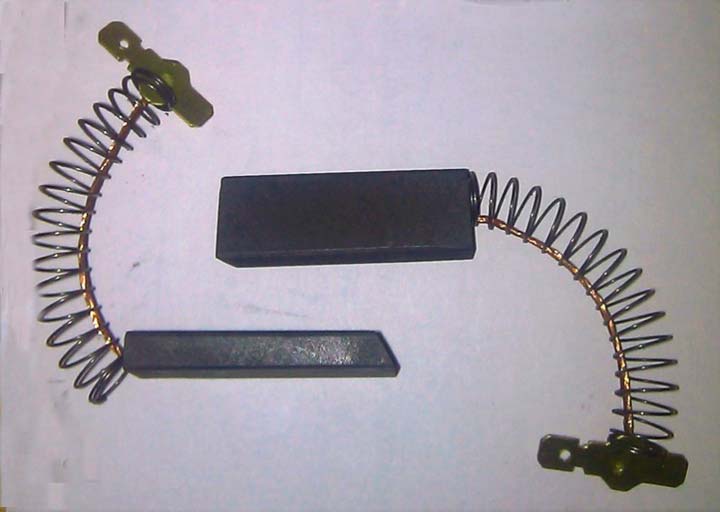
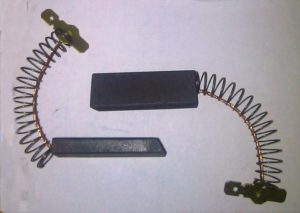 The brushes are worn out. At the same time, the washing machine is buzzing, but the drum is not spinning. This is accompanied by a very loud thud. Brushes cannot be repaired, only replaced. But to get to them, you have to completely disassemble the engine.
- Bearing problems. If the washing machine is very buzzing, rattling and noisy, a breakdown may have occurred. bearings. It's easy to check. It is enough to turn the drum with the washing machine off and listen. If everything is quiet, then the problem is not in them. If a roar is heard, then:
 The front cover, bottom and control panel are removed.
- The back wall is also removed.
- The heating element (heater) is pulled out and the engine behind it, when removing which do not forget to move the belt.
- The tank is disconnected.
- The tank is dismantled.
- Worn or damaged bearings are knocked out and replaced with new, efficient ones.
- Assembly in reverse.
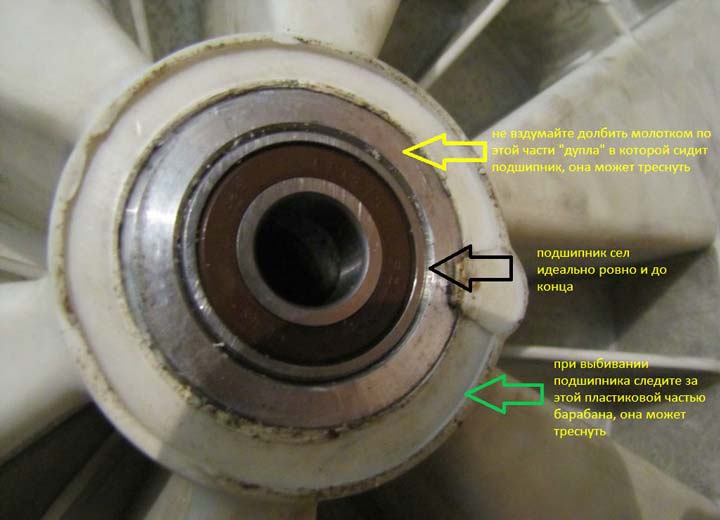
The sealing of the tank is provided by seals. They often wear out and age. And if the stuffing box allows moisture to pass through, then it gets into the bearing and destroys it.
 Cuff interference due to inappropriate size. There is a situation when cuff washing machines rub against the drum and because of this, rubber crumbs appear on the hatch. Often this is a problem of economy class washing machine models. To correct the situation, you need:
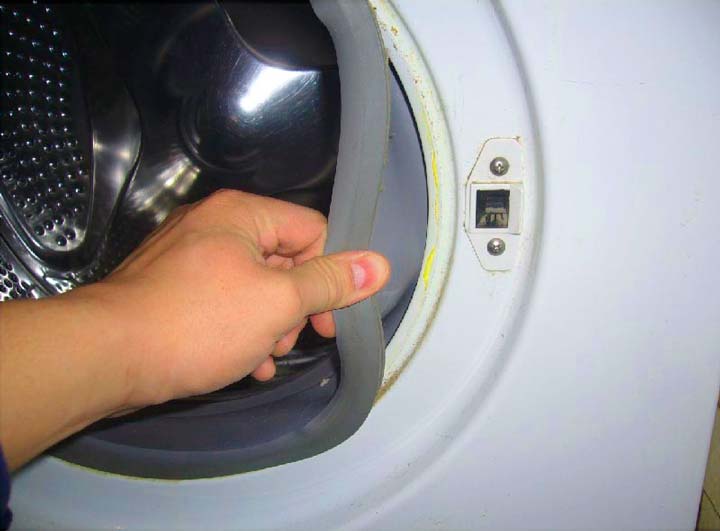
- Sandpaper (not large) is taken and attached with tape to the side of the drum.
- The spin program is activated.
- Then the rinse starts.
Thus, sandpaper will clean the places of contact with the tank, and rinsing will clean the equipment from rubber dust.
- Foreign objects. If a foreign object gets into the drain pump, an intermittent loud crack occurs.
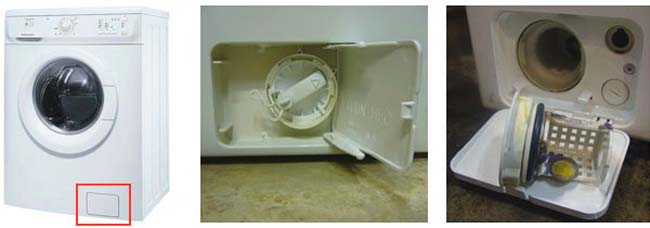
Moreover, at low speeds this may not be heard, but with strong vibration, a whistle, creak, etc. is heard. Why is the washing machine buzzing? What can interfere with her work? It can be buttons, paper clips, pins, coins, bones from a bra and others. To get them out you have to take them out. ten and use tweezers to get the interfering things. When installing the heating element back, do not forget to lubricate the rubber with liquid soap.
Drain pump after 5 years it can wear out, and if small objects get into it, then even faster.
Noise prevention
The implementation and observance of small rules will avoid noise malfunctions of the washing machine. All you need is:
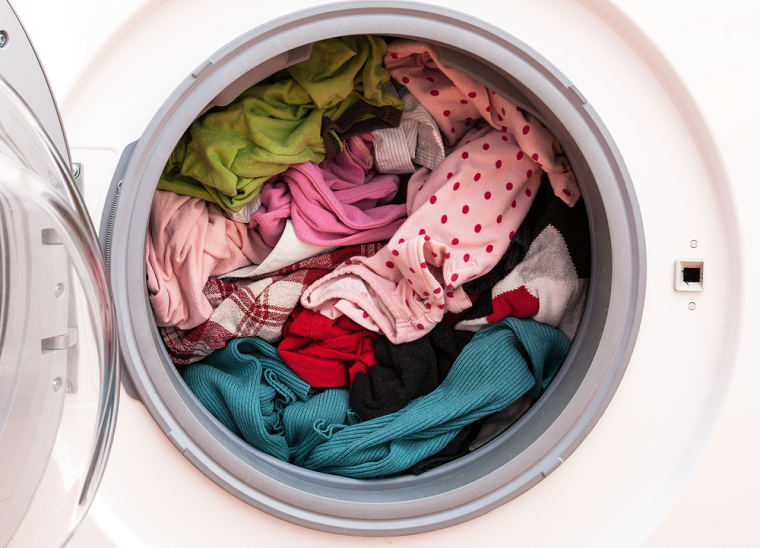
- do not shove too much laundry;
- do not run the wash several times in a row;
- do not often use the washing mode at a very high temperature;
- do not forget to clean the filter;
- do not allow laundry to be washed with foreign objects in pockets;
- do not use very hard water, if this is not possible, then be sure to soften it.



As a washing machine repairman, I can say that the article is interesting. Many possible causes are correct. But everyone is individual, so if there is a lot of noise, call a specialist.
