 Owners of washing machines do not always pay attention to poor spinning of linen. But in vain.
Violation of the spin function is a common problem with the washing machine.
There can be many reasons why the washing machine began to wring out badly.
Let's take a look at those reasons in this article.
Fixing the problem yourself
Wrong program
The reason is simple. It happens that the owners of the washing machine use a program that does not provide for spinning the laundry. These include:
 silk;
silk;- wool;
- careful care.
To verify this, just open the instructions and read whether the desired mode is selected.
If the selected program does not provide for spinning, then everything is fine, there is no problem. You can select another program or turn on the spin function.
There is still a possibility of spin deactivation.
Uncharacteristic sounds during spinning
If small parts get between the drum and the tank, a creak or knock may occur. To pull these items out, you will have to remove the heating element (heater).
Washing machine overload
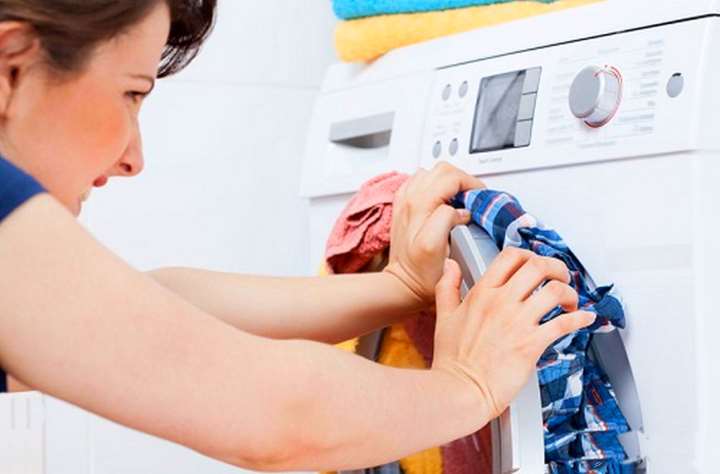 There are cases of overloading the drum, and an imbalance occurs when the laundry is unevenly distributed inside.
Or there is too much of it, and then even at 1600 rpm, the equipment is not able to perform a full spin.
You can understand this by the repeated unsuccessful attempt of the drum to spin.
After this fails, the linen comes out completely wet. With such systematic violations of the operating conditions of washing machines, the tacho sensor may break.
And its failure will disrupt the operation of the control module.
Water in the drum
Before spinning, any washing machine must empty the drum of water, and drain the residue during the spin cycle.
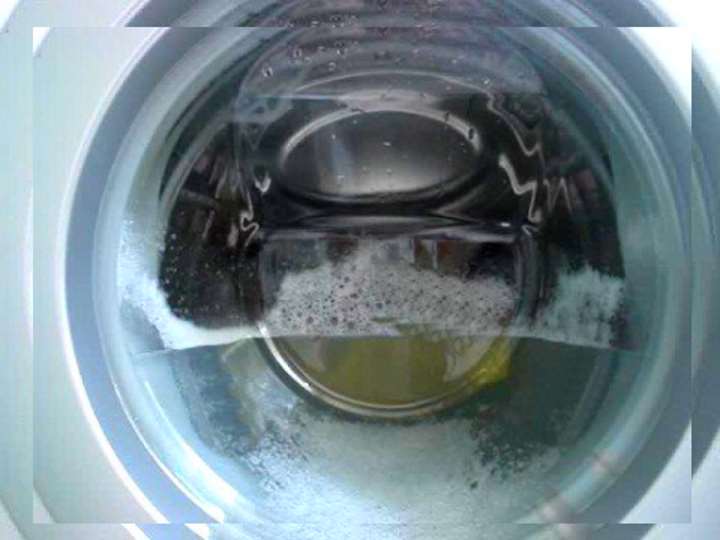 Look at the spin cycle while the washing machine is running, and if at that time there is water there, then you need to:
- check the drain filter, and if necessary, clean;
- check the drain hose for clogging;
- check the drain pipe.
You may need to contact the service
In the event that preventive measures and repairs on their own did not help and the washing machine does not wring out well, then it is subject to inspection by a professional. In these cases, you will definitely have to contact the service for help:
- software problem;
- engine malfunction;
- bearing wear;
- pump replacement.
Problem with tachometer
The tachometer is on the engine and fails with frequent overloading of washing machines and work at the limit. This device monitors the number of revolutions, and if the tachometer does not work correctly, then the spin speed cannot be correctly set by the “brain” of the washing machine and, as a result, it does not spin well.
There is a problem with the contacts of the tachometer and it becomes necessary to check the fastening, wires and contacts.
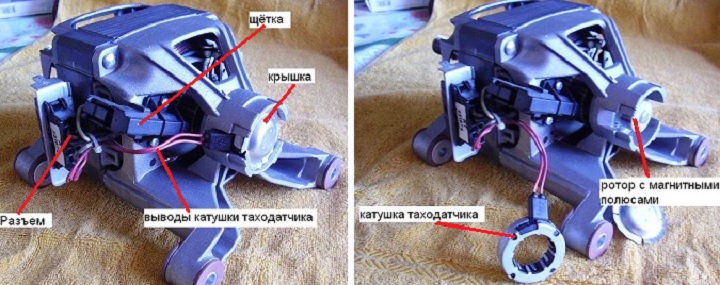
Checking the performance of the part is easy. For a breakdown of this kind, an unchanging and inadequate speed of rotation of the drum is characteristic. If the sensor breaks down, you need to replace it with a new one.
How to replace the sensor?
- The back wall of the washing machine is removed.
- The drive belt is removed.
- The tachogenerator is removed from the engine.
- A new part is bought and put in place of the old one.
- The repair ends with putting on the belt and screwing the back cover.
Engine malfunction
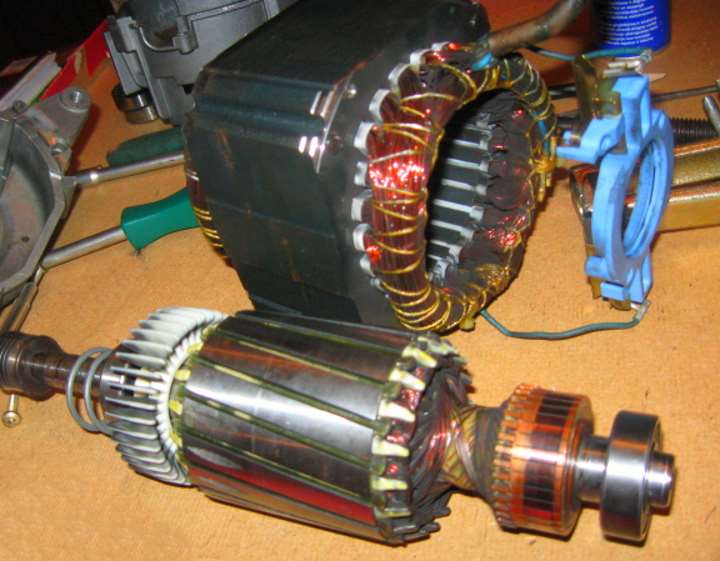 The motor is located under the body of the washing machine and will have to be removed.
To do this, disconnect the wires, belt, unscrew the part.
The purpose of all these actions is to identify a malfunction: remove the brushes, tachometer, check the coils.
The brushes inside the motor are subject to wear and this reduces its power.
As a result, the number of revolutions is disturbed due to lack of strength and the washing machine does not spin the laundry well.
Malfunction in the control board
The module is the brain of the washing machine. It manages all processes, programs, sensors, etc.
Repair will not be cheap, the module is an expensive part, it costs about 1/3 of the price of washing machines and it is better if a professional does the repair.
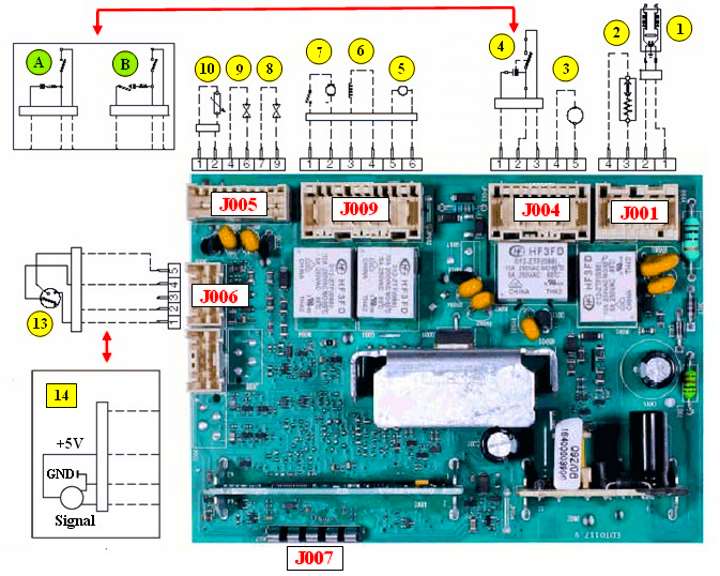 If there is such a reason, the following manifestations are characteristic:
- freezing washing machines;
- indiscriminate change of programs;
- alternate flashing of indicators;
- washing cannot be completed.