 A washing machine is a necessary household appliance in the home of every housewife and caring mother. But it often happens that during the operation of this home assistant there may be interruptions in work, due to which, as a result, the drain system becomes clogged.
How to clean the drain in the washing machine at home, and how in the future prevent this problem from occurring. we will tell you more in our article.
Types of blockages and their causes
Service center specialists washing machine drain repair two types of blockages: conventional and mechanical.
Mechanical
The main reason for the formation of mechanical blockages is the ingress of foreign objects into the filtration system of the structure.
Most often in the role of such "weeds" are:
 Cash coins and small buttons.
- Locks from clothes.
- Bra fasteners and underwire.
- Toothpicks, napkins, small toys.
- Money and other contents of pockets.
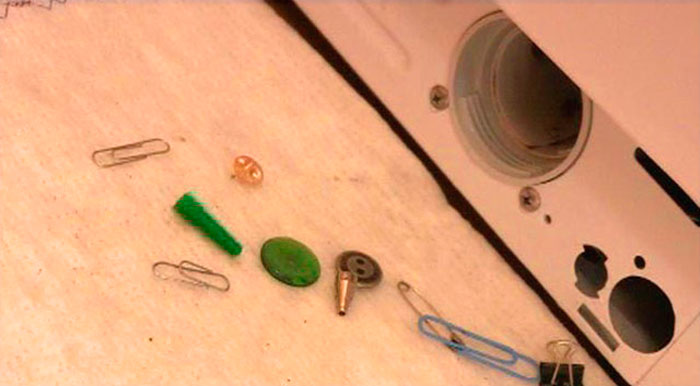
When third-party objects enter the filtration system, the drain system is blocked and the washer simply stops working.
Ordinary
Apart from the ingress of foreign weeds, the drain system of the washing machine can become clogged in another way, naturally.
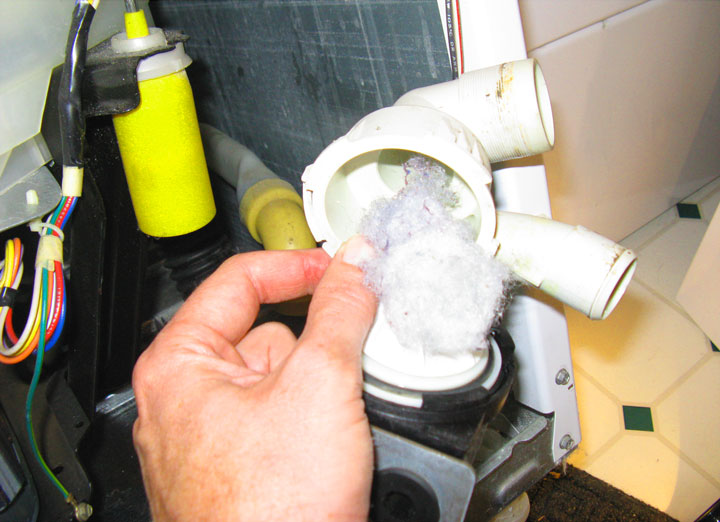
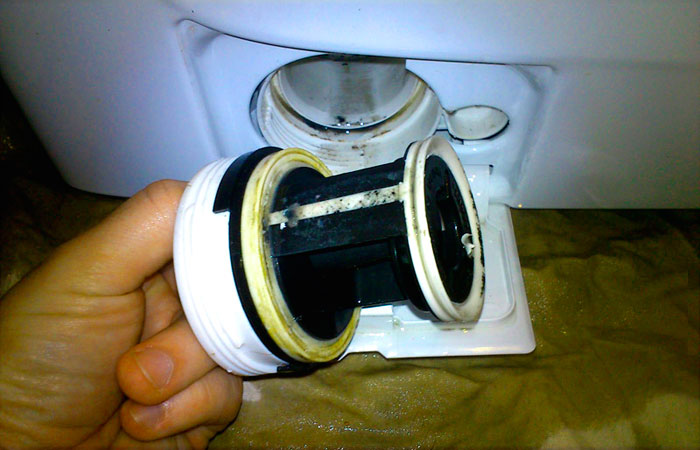 Often this happens due to the accumulation of all kinds of lint, fluff and pieces of cotton wool that were on the washing machine on the filter.
The hair of your pets also remains on all items, and first of all on the washing machine. And with a new wash cycle of your bedding set, clothes or something else with drains, wool also gets into the drain hose, where it remains, and after a certain amount of time it clogs tightly in the filter.
A blockage in the drain system of a washing machine can be identified by a number of obvious signs:
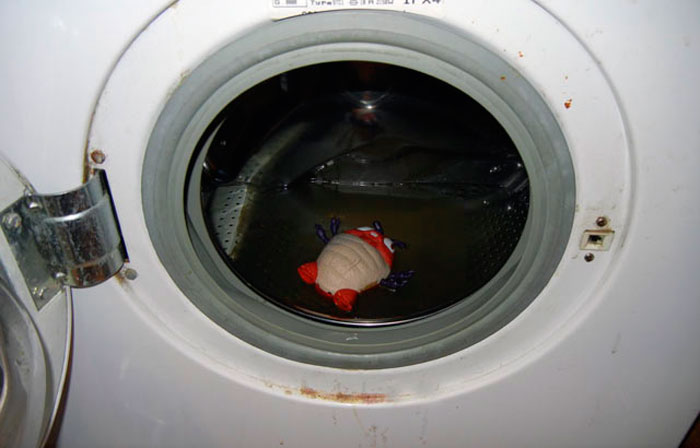
 Decreased drain speed used fluid (dirty water).
- The appearance of a software failure when the washing machine does not go into rinse or spin mode on its own.
- Complete blocking of the unit.
If your washing machine still has its unexpired warranty period, you will be able to repair it without any problems, without financial investment. But if the problem appeared after several years of use, you should try to clean the system yourself. Such a simple operation to remove a blockage in a washing machine can be done independently in half an hour.
Features of the drain system of a constructive nature
Before you start troubleshooting this kind of problem, you should understand the theory drainage system devices washing machine. In the design of new models, the used liquid from the drum is transferred to a special fitting.
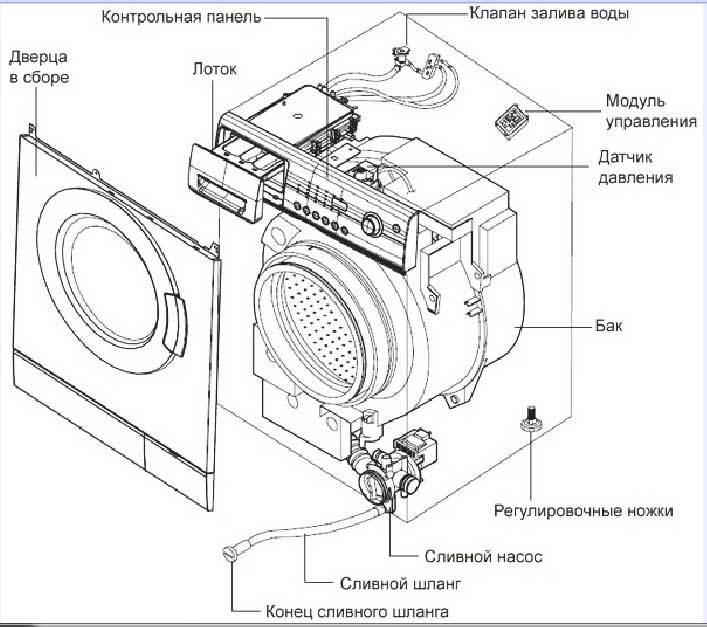 The discharge pipe is connected to the cleaning filter, on which all the dirt and small contaminants coming with the water from the drum settle. Used water, passing through the fitting and the filter, enters the pump. And in it, under the influence of pressure, which appears as a result of the constant rotation of the impeller, it flows down the hose into the sewer.
The outlet channel of the drain hose is connected either to a siphon located nearby, or to the sewer system itself. Some people have made it easy for themselves by not connecting the hose to the sewer system, but simply lowering the end of it into the bathroom or sink.
But clogging is an insidious problem, and it can occur in any part of the drain system. But it makes the task of removing the blockage of the washing machine easier than the fact that most often blockages occur in the area cleaning filter.
How to clean the drain hose with your own hands
Cleaning the filter
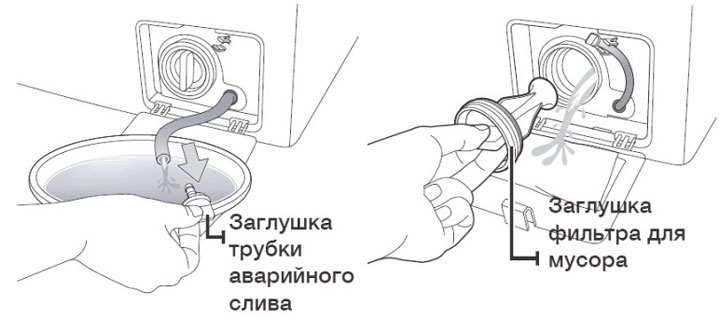
The filter system is located at the bottom of the washer, on the right, behind a small door with a hatch. In order to open it, you need to pry off the edge of this hatch with your fingers or some kind of flat blunt object. In some models, the panel can be opened by pressing the latch or by bending the swivel hooks.
Clean the filter in the following sequence:
- Unscrew the screw and carefully remove the filter.
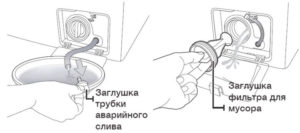
- We tilt our structure, drain all the available liquid, substituting a container with low sides for this purpose in advance.
- After there is no water left in the washing machine, we take out all foreign stuck objects.If structural elements are completely covered with scale, then they must be completely replaced.
- Next, when you have already eliminated the dirt by rinsing with water and wiping with a damp sponge, inspect the place where the filtration system is located and remove the remaining dirt from the walls.
- Cleanse pump and the system adjacent to it, and then connect your device to power and connect the drain mode. If you did everything right, the blades and impeller of the pumping system will rotate without interruption.
All the subtleties can be found in the video review describing the process in detail.
Disassembly of the drain pipe
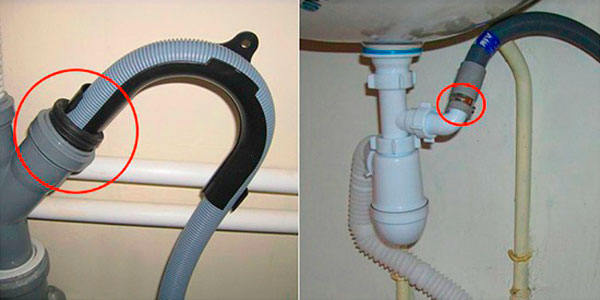 It is also possible that the flow of liquid will simply be blocked even simply at the junction with sewer pipes. To clean the drain in this case, you need to disconnect the hose.
Everything is carried out in several stages:
- Disconnect the washing machine from the power supply.
- Shut off the water supply valve.
- Using a flathead screwdriver, remove the side or front bottom panel.
- Pour out the remaining used water through the drain filter.
- Using pliers, disconnect the end of the hose from the sewer pipe or siphon.
In devices of brands such as VEKO, Ariston, Candy, Samsung and Indesit, you can only get to the drainage hose through the bottom. In such cases, for the convenience of cleaning the washing machine from blockage, put your unit on its side, having previously laid some kind of cloth under it. After you open the clamp with pliers, you can safely disconnect the hose from the pump.
In washing machines from Electrolux or Zanussi, the hose runs along the back wall. In order to get close to it, remove the back cover of the case. Next, we open the latches, unfasten the drainage hose, and then unscrew it from the water supply hose. To completely remove the drain hose, you must completely remove the top cover by unscrewing all the bolts and loosening the clamp to secure it.
In washing machines such as Bosch and Siemens, you can get the hose by removing the front panel of the case. Everything is done in the following order: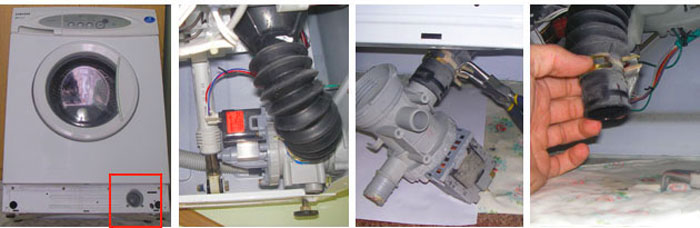
- Remove the sealing rubber from the front panel and unclench the clamp.
- We take out the bottom panel and the retractable tray for detergents.
- We unscrew the bolts for fixing and remove the hatch door lock.
- Remove the front panel of the case.
- Unclench the clamp and pull out our hose.
Cleaning the drain hose of the washing machine
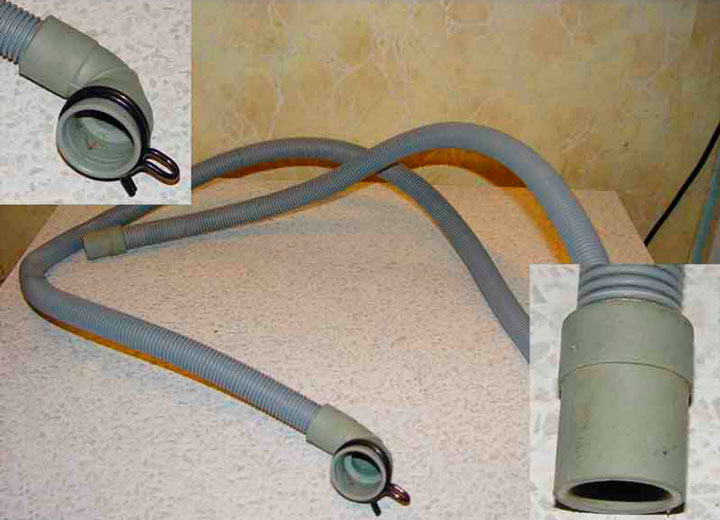 They clean the drain hose by washing and treating the walls from the inside using special brushes. Masters in this business are accustomed to using not metal brushes, but those made of synthetics.
To clean the walls from the inside, the cable is inserted into the contaminated hose and moved back and forth. After this procedure, rinse the hose with water. If the contamination could not be removed the first time, the procedure should be repeated.
The hose washed from all sides only remains to be fixed to the old place by performing all the steps described in reverse order.
Blockage Prevention
In order to avoid the same problem in the future, perform a number of specific actions:
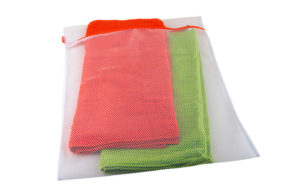 Always check all pockets before washing.
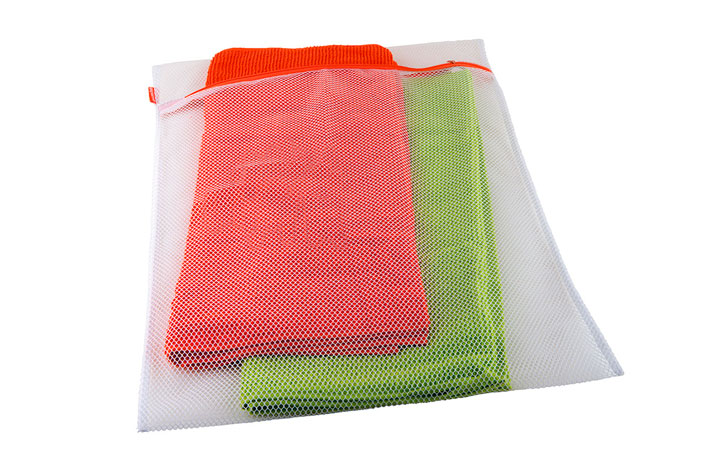
- For washing, use special covers for clothes.
- If your clothes have buttons or zippers, fasten them before loading them into the washing machine.
- Along with the powder, add additional funds for soft water.
To provide additional protection against unit blockages when using washing machines, place an additional filter on the supply pipe.
Professionals recommend every two or three months to carry out the prevention of blockages. To do this, you should periodically inspect your system, check filters and remove mini-clogs that have already appeared.